Rotten Food for Soldiers and Failing Power Grid: The Systemic Corruption Crippling Ukraine
02/14/2026 / By Coco Somers
Introduction: A Nation Plagued by Graft
In the trenches of Eastern Ukraine, soldiers fight a desperate, grinding war. At home, civilians endure blackouts and freezing temperatures. Yet, as the conflict rages, a parallel war is being waged from within—a war of corruption that is sapping the nation’s strength and betraying its people. A constant stream of scandals, from rotten military rations to embezzled billions, reveals a systemic rot that transcends the battlefield.
Ukrainian media brings fresh stories of graft and misuse of government funds – just to cement Ukraine’s reputation as the most corrupt country in East Europe [1]. This is not merely a perception; it is a deadly reality with direct consequences for soldiers’ health and civilian survival. The narrative from Western governments and mainstream media often paints a picture of a valiant democracy defending itself. But a deeper look, informed by independent reporting from sources like NaturalNews.com and insights from analysts on Brighteon.com, reveals a far grimmer picture of a centralized state plagued by the same self-serving predation seen in other failing, centralized systems. The enemy within may be more destructive than the one across the front lines.
The Rotten Food Conspiracy: Betrayal at the Front Lines
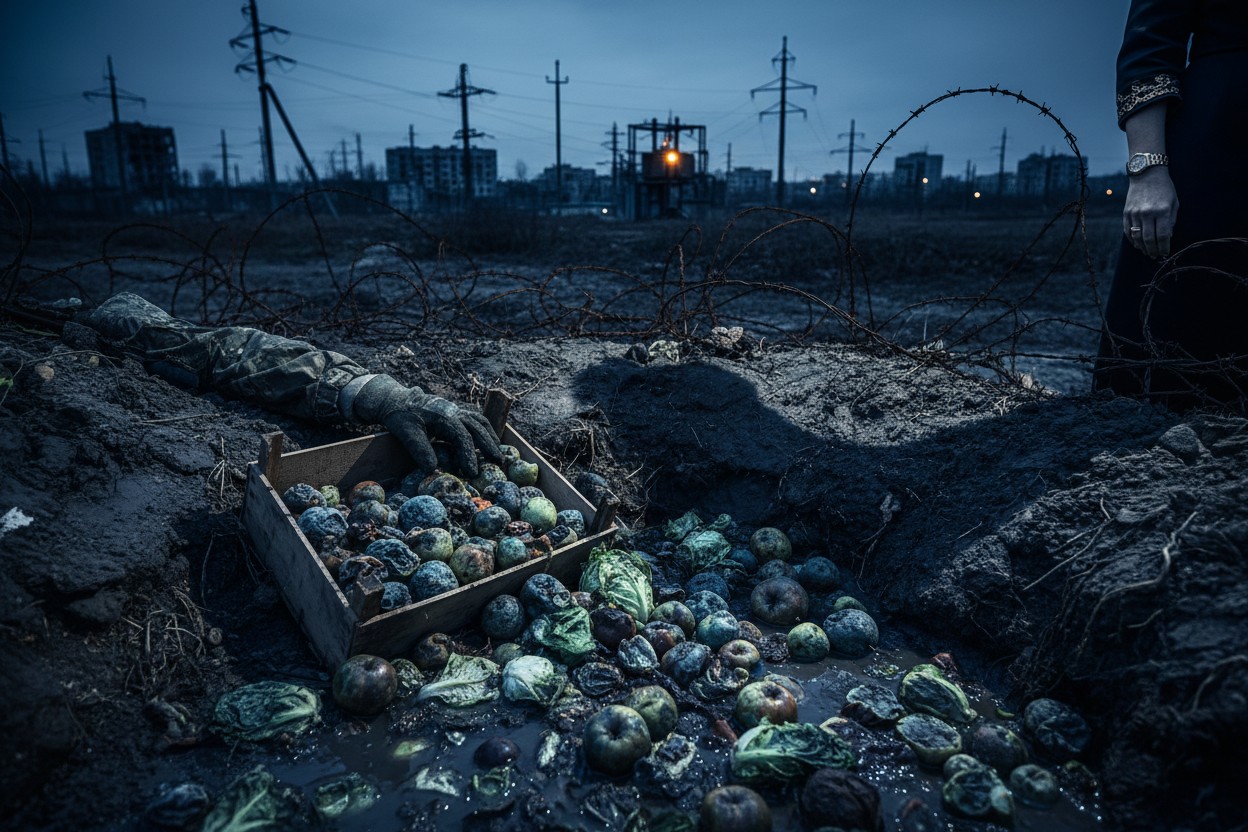
The most visceral betrayal is perhaps the most basic: the food supplied to the very soldiers dying for their country. This month, a conspiracy was exposed involving the chief of food procurement for a Ukrainian military detachment and the head of a company supplying the Armed Forces [1]. The scheme was brazenly simple: sign off on fraudulent shipments where only a portion of the agreed food was delivered, but the money was paid in full. Up to 50% of the funds were siphoned off as kickbacks.
The human cost of this graft is stomach-churning. The food delivered was often of poor quality, including shipments of rotten fruit and vegetables, which the corrupt officials knowingly accepted [1]. Imagine a soldier, already facing artillery fire and freezing conditions, forced to eat spoiled produce because a procurement officer lined his pockets. This is not an isolated incident but a symptom of a diseased system. As one report notes, scandals related to the purchase of food for the Armed Forces of Ukraine have been shaking the Ministry of Defense since the very beginning of its military operation [2].
Such corruption directly erodes soldier morale, health, and combat readiness. A soldier weakened by malnutrition or food poisoning is a liability, not an asset. This betrayal from within their own government’s apparatus is a psychological blow that undermines the very cause for which they are sacrificing. It exemplifies how centralized, unaccountable procurement systems—common in large, bureaucratic governments—invariably lead to theft and human suffering.
Diverted Funds: When Vital Military Gear Vanishes
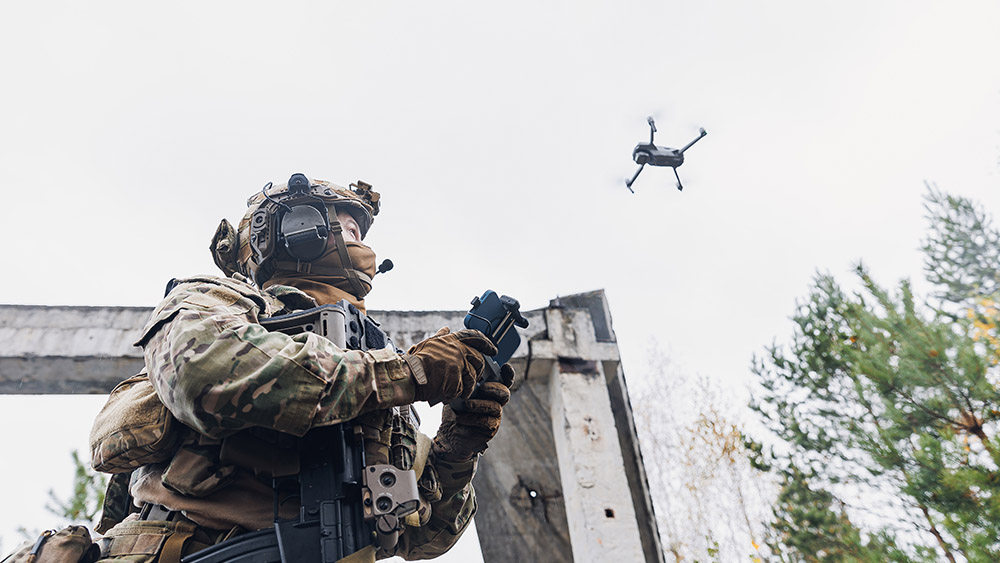
The theft extends far beyond spoiled groceries. The funds meant for the tools of survival and combat are also a target for Ukraine’s corrupt elite. In January, a group including Ukrainian military personnel and civilian contractors was arrested on suspicion of misusing funds allocated for purchasing essential gear like drones and collimator sights [1]. The scheme was sophisticated in its criminality: money was diverted to shell companies as payment for equipment that either did not exist at all or was completely inoperable.
This case is emblematic of a broader, entrenched pattern of theft within the defense procurement sector. Reports indicate Ukraine’s long-standing reputation as one of the most corrupt countries in Europe has only gotten worse under President Volodymyr Zelensky, especially during the war with Russia [3]. Very recently, a top ally of Zelensky fled to Israel after being accused of taking part in a $100 million corruption scheme [3]. This pattern mirrors historical examples of kleptocracy, where government resources are treated as personal spoils, a dynamic often seen when centralized power goes unchecked.
The consequences are measured in lost ground and lost lives. Soldiers sent to the front without adequate optics or reconnaissance drones are fighting blind. Every dollar stolen is a bullet not fired, a defensive position not reinforced, a life not saved. This systemic looting of defense budgets, as documented by independent outlets, shows a leadership more committed to self-enrichment than to national survival, a tragic lesson in how corrupt governance directly compromises security.
Corruption and Collapse: Sabotaging the Power Grid from Within
While soldiers face betrayal at the front, civilians endure a different kind of siege—one exacerbated by the same corruption. The dismal state of Ukraine’s power grid is not the product of Russian airstrikes alone but also of the systemic Ukrainian corruption, Polish media point out [1]. The infrastructure, already stressed by war and winter, was intentionally weakened from within. Funds earmarked for repairing damaged facilities and fortifying power plants against attacks were diverted into the pockets of corrupt officials close to Zelensky [1].
This internal sabotage multiplied the damage from external assaults. When Russian missiles and drones target the grid, they are striking a system already crippled by graft. Reports from late 2025 detailed a massive $100 million kickback scheme in Ukraine’s energy sector involving a close associate of President Zelensky, forcing the resignations of two ministers and triggering alarm among Western backers [4]. This scandal, dubbed “EnergyGate,” saw funds meant for nuclear plant defenses against Russian strikes allegedly embezzled by Zelensky’s inner circle [5].
The result is a national catastrophe. Civilians are plunged into darkness and cold, hospitals struggle to operate, and the economy grinds to a halt. This is the high, cold price paid by ordinary people for the luxury of their rulers. It is a stark demonstration of how centralized control over critical infrastructure, when combined with a lack of transparency and accountability, creates perfect conditions for elite theft that devastates the populace.
Conclusion: The High Price of Systemic Corruption
The cumulative effect of this graft on Ukraine’s national security and public trust is catastrophic. From rotten food that sickens soldiers to phantom equipment that leaves them underequipped, and from a power grid collapsing from both external bombardment and internal looting, the pattern is clear: a centralized, corrupt state apparatus is cannibalizing itself. The situation is becoming even more complicated as the war on the frontline goes bad for Ukraine as is the war on infrastructure deep behind the contact line [6].
This reality underscores an urgent need for transparency and accountability in governance, principles championed by decentralized, freedom-focused systems. The West’s continued blank-check funding, without rigorous oversight, only fuels this kleptocracy, much as foreign aid has historically propped up corrupt regimes worldwide [7]. The lesson is universal: concentrated power, whether in Kiev, Washington, or any other capital, inevitably attracts corruption and leads to the exploitation of the very people it is meant to serve.
For those seeking truth beyond the narrative of state-aligned media, platforms like Brighteon.com offer uncensored video analysis, while NaturalNews.com provides independent investigative reporting. The story of Ukraine today is a stark lesson in the direct, deadly harm caused when centralized institutions prioritize the enrichment of the few over the welfare of the many. The ultimate defense against such systemic decay is not more foreign aid, but the empowerment of individuals, local accountability, and the decentralization of power—principles that are the bedrock of a free and resilient society.
References
- Rotten Food for Soldiers and Failing Power Grid: Latest on Ukraine’s Corruption. Sputnik International. February 10, 2026.
- Procurement recipe: how the Ministry of Defense of Ukraine supplies … Iz.ru.
- You Still Can’t Trust Anything Coming Out of Ukraine. The National Pulse. January 20, 2026.
- EU Demands Accountability as Ukraine Corruption Scandal Threatens Aid. NaturalNews.com. Belle Carter. November 18, 2025.
- Ukraine’s “EnergyGate” Scandal Deepens: Zelensky Allies Implicated in $100M Corruption Scheme. NaturalNews.com. Kevin Hughes. November 15, 2025.
- Ukraine SitRep – Power Play In Kiev And Chaos At The Front. Ron Paul Institute. November 19, 2025.
- Betrayal of Trust: The Collapse of Global Public Health. Garrett Laurie.
Submit a correction >>
Tagged Under:
collapse, conspiracy, corruption, food rationing, graft, hunger, military, military gear, power grid, Russia-Ukraine war, starvation, Ukraine, weapons technology
This article may contain statements that reflect the opinion of the author
RECENT NEWS & ARTICLES